
Loving Those Vulnerable to Trafficking
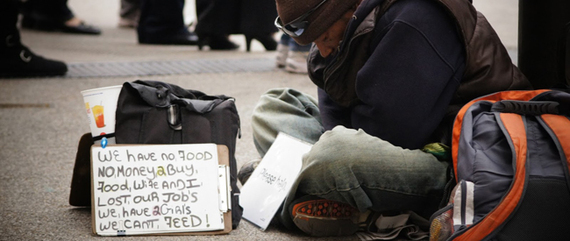
According to the Department of Justice, “as many as 300,000 children may become victims of commercial sexual exploitation each year.” Though any child is vulnerable to the lies of a trafficker, there are several groups of youth who are most often exploited. As we aim to fight human trafficking by loving those most vulnerable, we look to care for:
- Runaway youth. While you were in Port Authority, it’s likely that you walked by a teen runaway and didn’t know it. Sex traffickers know this and actively recruit potential victims there. Within 48 hours of being on the street, 33% of teenage runaways are lured into sex trafficking.
- Foster youth. In 2007, New York City identified 2,250 child victims of trafficking. Seventy-five percent of those experienced some contact with the child welfare system, mostly in the context of abuse and neglect proceedings. According to the National Foster Youth Institute, 60% of all child sex trafficking victims have history in the child welfare system.
- Homeless youth. Before they arrived at Covenant House NY, 14.9% of the youth in our random sample experienced some form of trafficking victimization, consistent with the definition under federal law, (TVPA). To read the full report, go here.
- LGBTQ Youth. A New Study Shows What Life Is Like for Homeless NYC Teens Who Have Sex to Survive.
- Youth with histories of abuse.
- Children with histories of substance abuse.
- Children with disabilities.
- Youth in the juvenile justice system.
- Refugee, immigrant, and non-English-speaking youth.
- Youth with unstable family dynamics.
Questions to ask if you suspect that a minor has been trafficked:
|
|
|
|
|
- How could Lexie’s situation been different? How could her pastors have reacted differently?
- How is working with “at risk” teens preventing, and intervening in the fight against human trafficking?
- How can the church love and care for vulnerable youth?
 lmpgexperience.com
Leave a comment